Recovery is more than putting one foot in front of the other—it’s a profound process of healing, rebuilding, and thriving. Across the United States, from the bustling streets of New York City to the quiet neighborhoods of Des Moines, education has become one of the most powerful tools in recovery.
Whether the journey involves overcoming substance use, trauma, or emotional setbacks, learning empowers individuals with knowledge, confidence, and practical skills to move from surviving to thriving.
The Power of Knowledge in Rebuilding Lives
In Atlanta, adult education programs within recovery centers have revealed a striking truth: knowledge restores agency. When individuals learn new coping strategies, nutrition habits, life skills, or vocational tools, they rediscover their sense of control.
Studies show that nearly 65% of participants in such programs report improved self-esteem within six months. Education in recovery isn’t about memorizing facts—it’s about learning how to navigate life again from a place of strength.
Imagine someone in Philadelphia attending a workshop on financial literacy after completing treatment. They learn budgeting, saving, and credit management—not because they failed before, but because they’re ready to start anew.
That education becomes empowerment. It’s not just about money—it’s about self-respect, independence, and confidence.
Skill-Building and Economic Opportunity
Empowerment often begins with employability. Across the U.S., more than 40% of adults in recovery cite unemployment or underemployment as barriers to progress. When education and job training are integrated into recovery programs, the outcomes improve dramatically.
In Denver, for example, recovery centers partner with community colleges to provide certifications in trades, technology, and culinary arts—credentials that open doors within a year. Participants emerge not only with a skill but with purpose, structure, and self-worth.
A certification becomes more than a credential—it’s a declaration: I belong in the workforce again. When individuals shift from recipients of support to contributors within their communities, the recovery narrative transforms from dependence to empowerment.
Building Confidence and Social Connection
Education doesn’t just strengthen skills—it strengthens connection. A person in Seattle who completes a public speaking course gains far more than communication skills; they gain confidence and visibility.
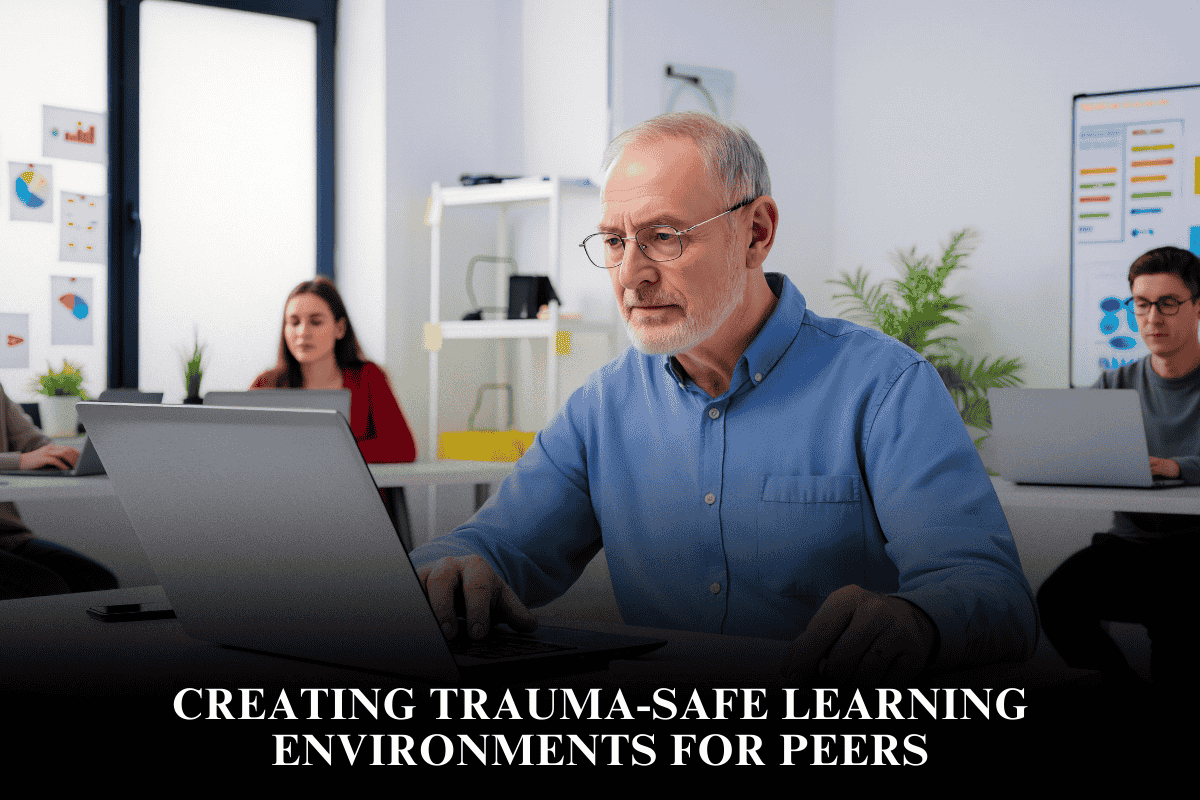
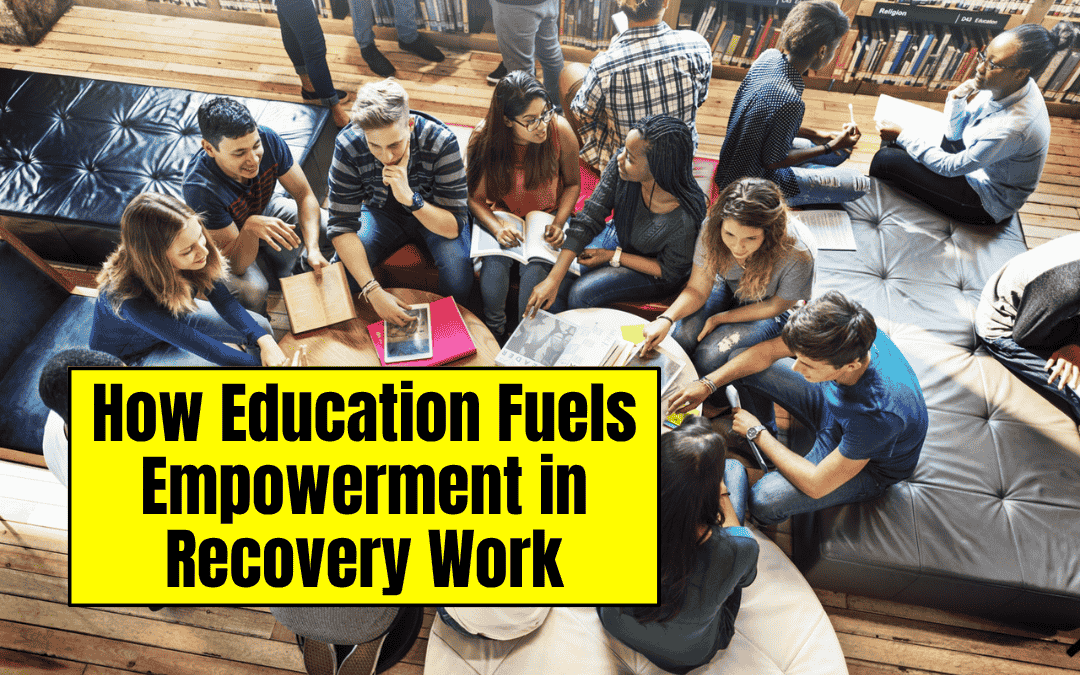
Recovery often brings with it isolation and stigma. Group learning environments—like community workshops in Miami—break that pattern. Peers become partners, instructors become mentors, and classrooms evolve into micro-communities of accountability and belonging.
A survey in Minneapolis found that 72% of recovery participants who attended peer education workshops felt more connected to their community, while 58% reported reduced shame when discussing their experiences. Education creates bridges—linking people from isolation to shared humanity.
Transforming Mindsets Through Lifelong Learning
True recovery isn’t a single milestone—it’s a lifelong evolution. This growth depends on one essential shift: moving from a fixed mindset (“I’m broken”) to a growth mindset (“I can change and grow”).
In San Diego, recovery centers are embracing lifelong learning models that include wellness and creativity courses—from mindfulness and nutrition to art therapy and emotional intelligence.
These holistic programs remind participants that education isn’t limited to career advancement—it’s about personal empowerment and emotional resilience.
When individuals engage in continuous learning, they begin to rewrite their internal narrative. They stop identifying with their past and start building their future. Recovery becomes more than healing—it becomes transformation.
Education as the Engine of Recovery
Across America, from Chicago to Los Angeles, education is quietly reshaping the recovery journey. It fuels empowerment, builds community, and unlocks opportunity.
When someone in Orlando earns a certificate in web development or a participant in Houston completes a course in emotional resilience, the outcomes are measurable: increased employment, restored confidence, and renewed identity.
Recovery is no longer just about survival—it’s about growth. Education gives that growth direction and momentum.
If you or someone you care about is navigating recovery, consider education not as a luxury, but as a powerful ally. A single class, a certificate, or even a conversation can turn the page—rewriting the story of recovery into one of empowerment, resilience, and hope.
FAQs
1. How does education support recovery?
Education provides individuals in recovery with tools, knowledge, and structure—helping them rebuild confidence, gain employable skills, and maintain long-term stability.
2. What types of educational programs are most helpful in recovery?
Vocational training, financial literacy, wellness education, digital literacy, and emotional intelligence courses are among the most effective.
3. Does education reduce relapse risk?
Yes. Studies show that individuals engaged in structured learning during recovery experience improved self-esteem and reduced relapse rates due to increased purpose and social connection.
4. How can recovery centers integrate education effectively?
By partnering with community colleges, nonprofits, and online learning platforms to provide accessible, skill-based, and holistic educational opportunities.
5. Is lifelong learning important after recovery?
Absolutely. Lifelong learning reinforces growth mindset, builds resilience, and helps individuals continue to evolve—personally, professionally, and emotionally.