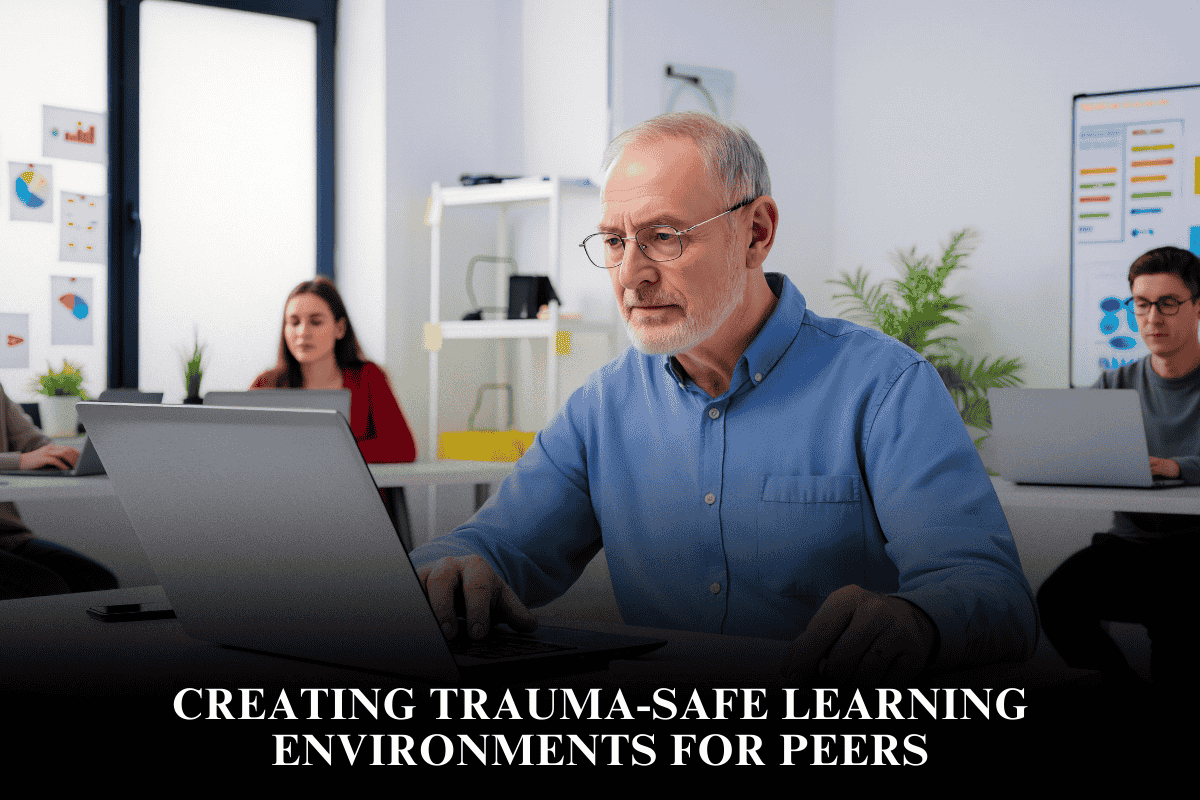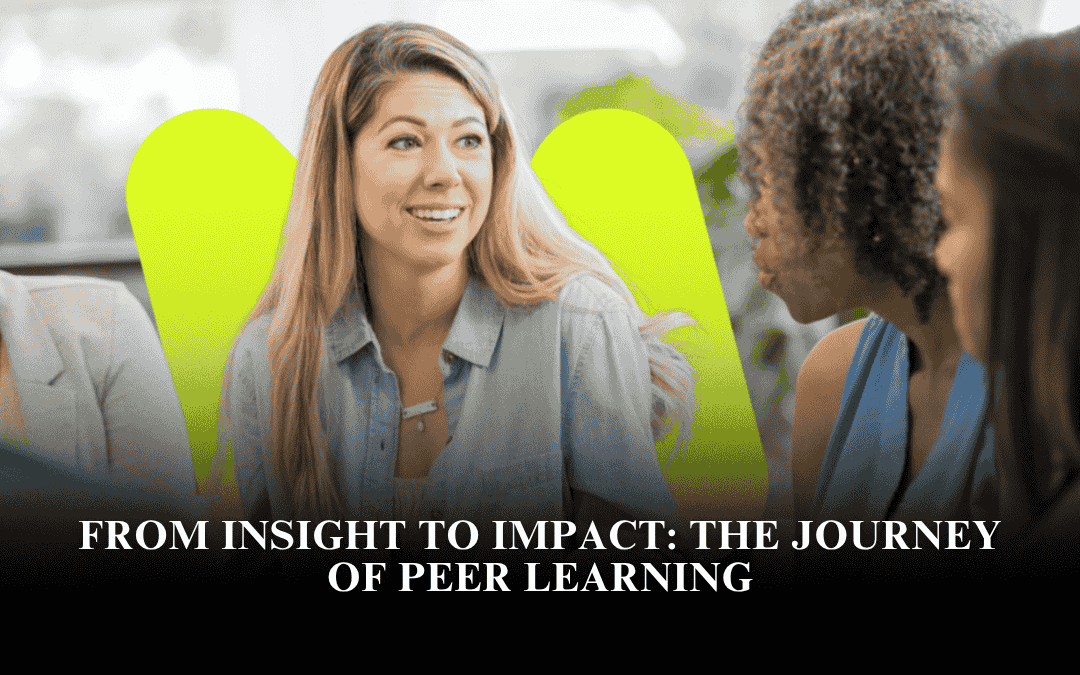
Peer learning is transforming education in the United States by creating dynamic environments where students actively teach and learn from each other. This collaborative approach harnesses the power of peers to deepen understanding, build crucial skills, and foster social and academic growth.
The journey from insight to impact shows how peer learning shapes successful learners and communities.
What Is Peer Learning?
Peer learning is a method where students engage in teaching and learning activities with each other, often in structured or informal settings. It is grounded in the idea that teaching others reinforces one’s own understanding and encourages deeper cognitive engagement.
Unlike traditional teacher-led instruction, peer learning promotes active participation, collaborative problem-solving, and ongoing dialogue among students.
Benefits of Peer Learning
Peer learning offers multiple educational advantages. By explaining concepts to one another, students enhance their retention and comprehension. It cultivates critical thinking, communication, and confidence, as learners articulate their ideas and receive feedback in a supportive setting.
Additionally, working in peer groups encourages interdependence, making each student responsible for contributing to the group’s success, which fosters teamwork and accountability. The social aspect helps reduce anxiety in the classroom by creating a more comfortable environment for discussion.
Peer Learning in Practice
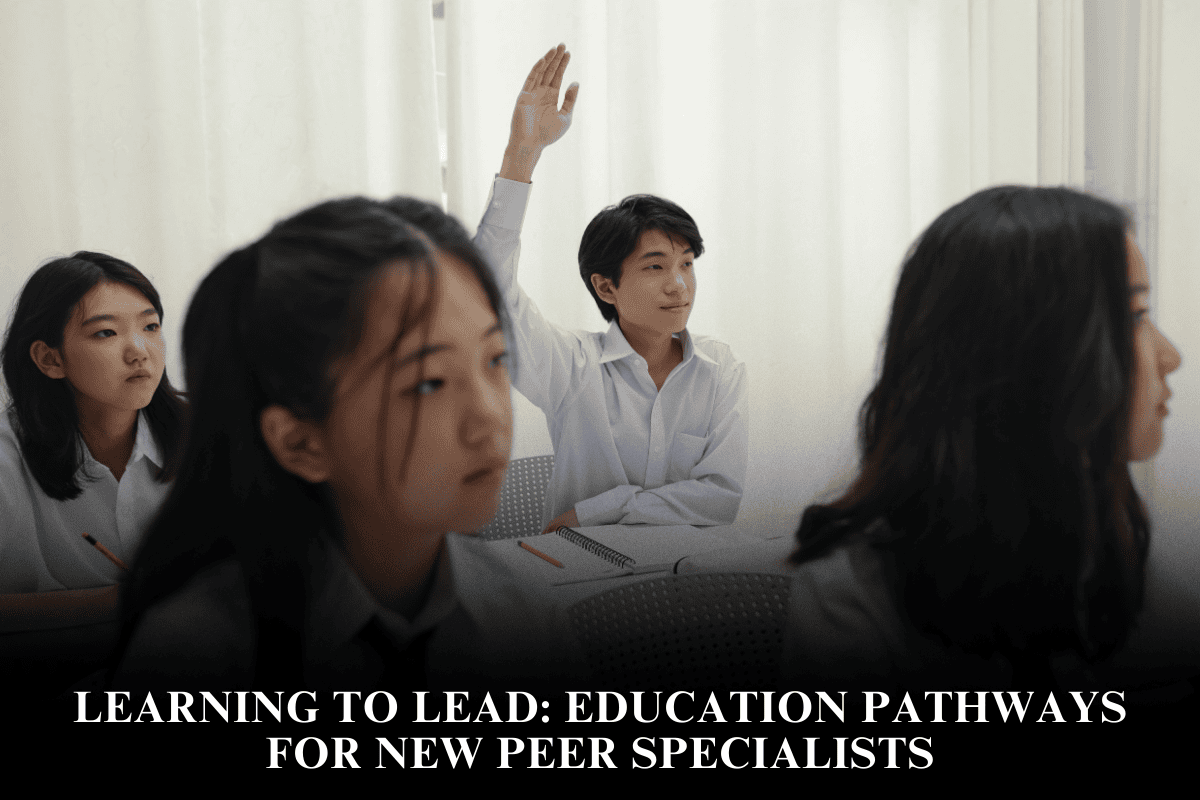
In U.S. classrooms, peer learning can take many forms—from peer tutoring and group projects to study pods and collaborative discussions. Some programs blend formal peer teaching with informal group interactions supported by teachers who facilitate rather than direct the learning.
These strategies accommodate diverse learning styles and levels, allowing students to learn from peers who sometimes relate to their struggles better than instructors might.
Challenges and Considerations
While peer learning has significant upsides, it also faces challenges. Group dynamics may sometimes lead to conflicts or uneven participation. The quality of peer feedback can vary, and some students might feel increased workload or social pressure.
Additionally, peer learning requires social confidence and willingness to collaborate, which may necessitate guidance and training for both students and educators to maximize effectiveness.
Long-term Impact
Beyond improving immediate academic performance, peer learning builds skills valuable for lifelong success, including teamwork, empathy, adaptability, and resilience.
Students who engage in peer learning tend to develop stronger interpersonal abilities and are better prepared for collaborative professional environments. This approach nurtures not only knowledge but also social and emotional growth that impacts personal and career trajectories.
FAQs
What makes peer learning effective?
Peer learning is effective because teaching others deepens the tutor’s own understanding and encourages active engagement rather than passive listening. It also benefits from social interaction, making learning more relatable and less intimidating.
How does peer learning benefit shy or anxious students?
Peer learning often takes place in smaller, less formal groups, which can ease social anxiety and create a safe space for students to express their ideas without fear of judgment.
Are there different types of peer learning?
Yes, peer learning can be formal (structured tutoring, assigned roles) or informal (spontaneous group discussions). Both types promote collaboration but may differ in organization and oversight.
What challenges exist in peer learning?
Challenges include managing group conflicts, ensuring equal participation, maintaining high-quality feedback, and requiring students to have social confidence and motivation to collaborate effectively.
How can educators support peer learning?
Educators can support peer learning by training students in collaborative skills, monitoring group dynamics, providing clear goals, and facilitating rather than dominating interactions to empower students.