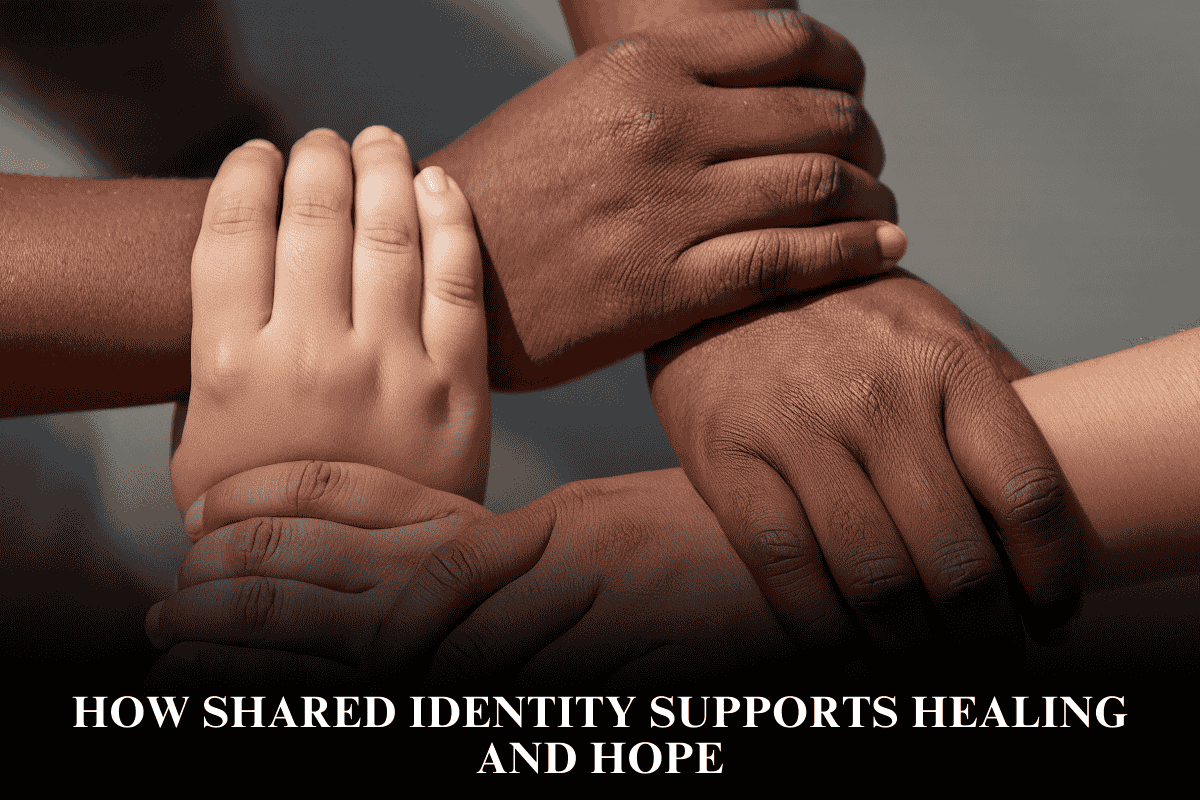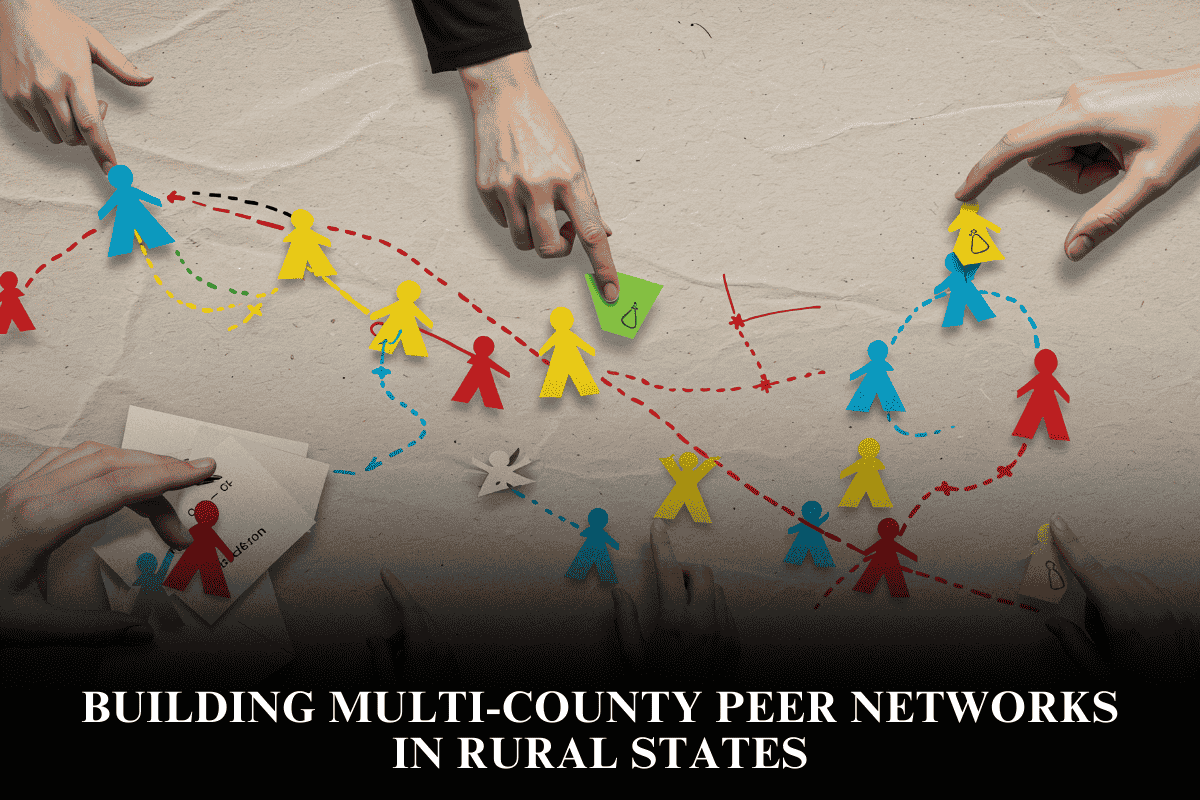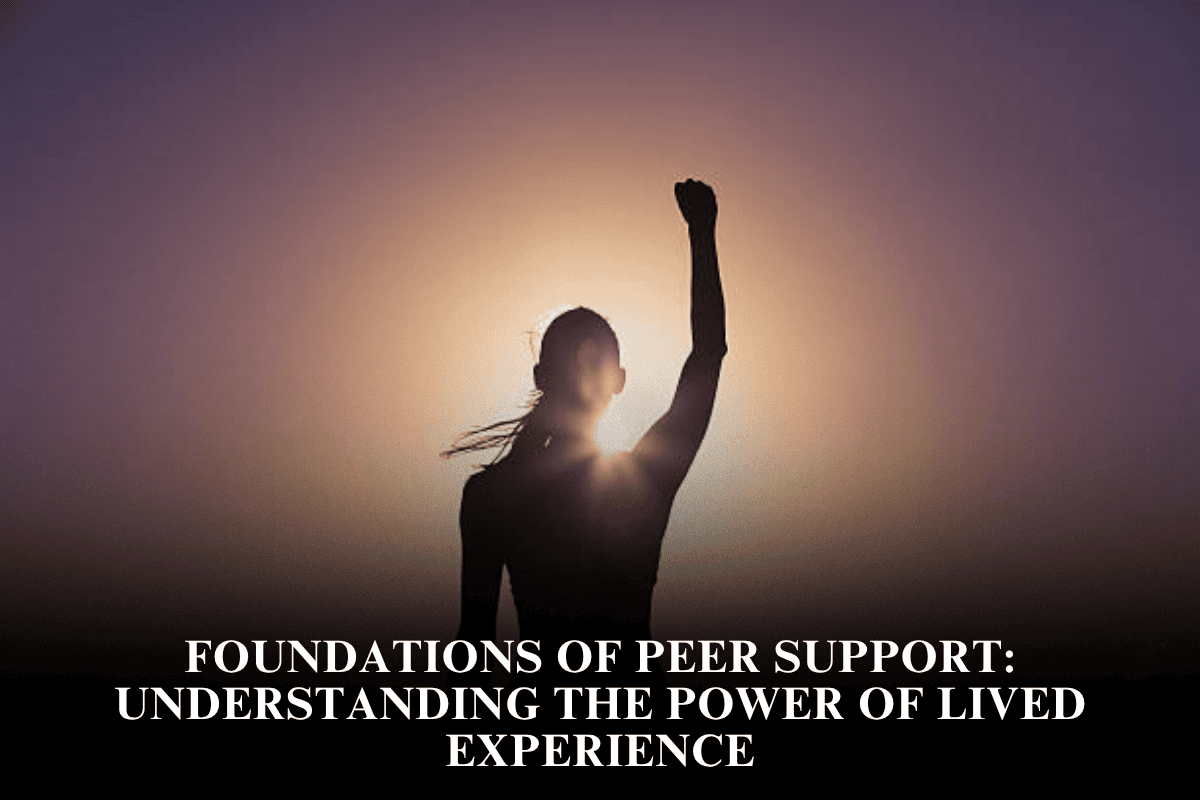
Peer support is a transformative approach to mental health and wellness that leverages the shared lived experiences of individuals to foster hope, empowerment, and recovery. Rooted in mutual understanding and equality, peer support helps people navigate challenges by providing validation, reducing isolation, and creating safe spaces where individuals feel genuinely heard and supported.
What is Peer Support?
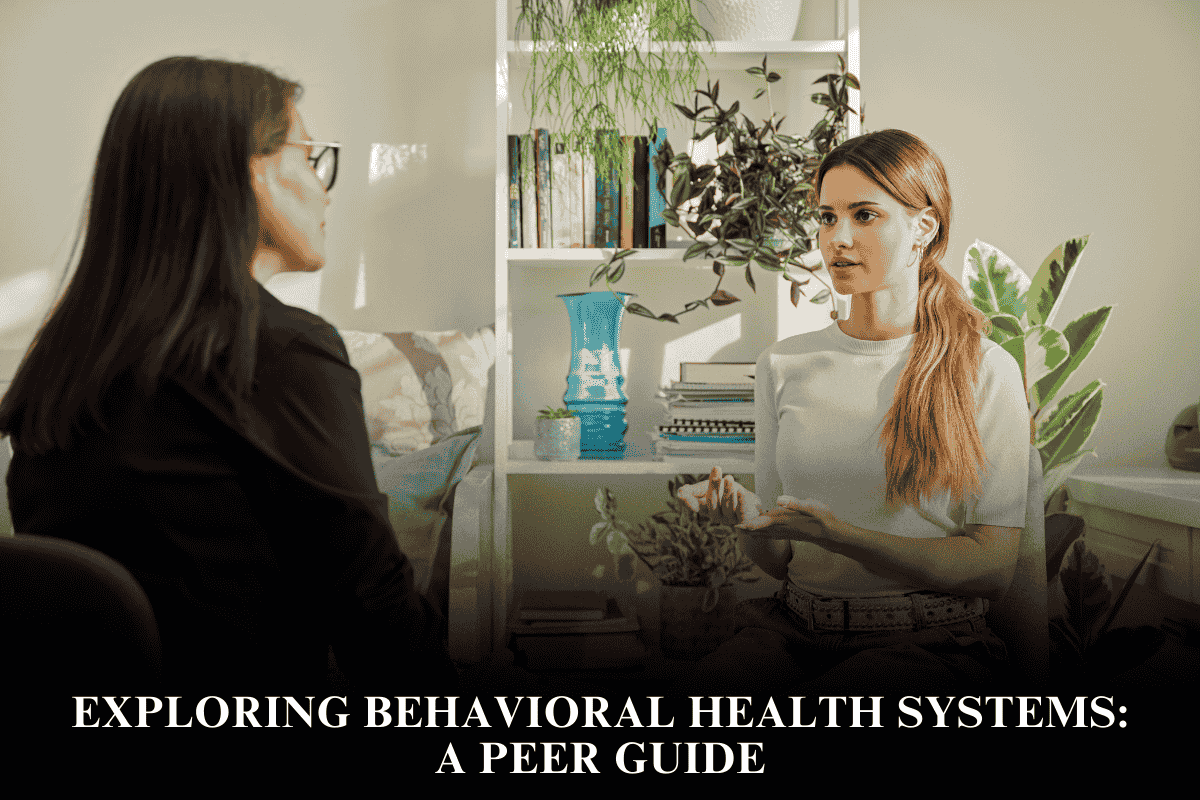
Peer support involves people with lived experience of mental health challenges or other life adversities offering guidance, empathy, and encouragement to others facing similar struggles. Unlike therapist-client models, peer support emphasizes partnership and shared experience rather than hierarchical expertise.
The Role of Lived Experience
Lived experience is the firsthand knowledge gained through personal encounters with mental health or life challenges. This experience becomes a powerful tool in peer support, allowing individuals to connect authentically, build trust, and offer hope based on genuine understanding. Peer supporters use their journeys as assets to inspire recovery pathways for others.
Impact and Benefits of Peer Support
- Provides comfort and reduces stress through shared understanding.
- Lowers the fight-or-flight response by creating safe and validating environments.
- Encourages empowerment and self-advocacy by modeling recovery.
- Improves engagement with services and reduces hospitalization.
Structures and Roles in Peer Support
Programs may include peer specialists, mentors, recovery coaches, and family partners who are trained to use their lived experience effectively within various settings such as mental health services, community groups, and recovery programs. These roles help individuals find their voice and define personalized recovery pathways.
Training and Development
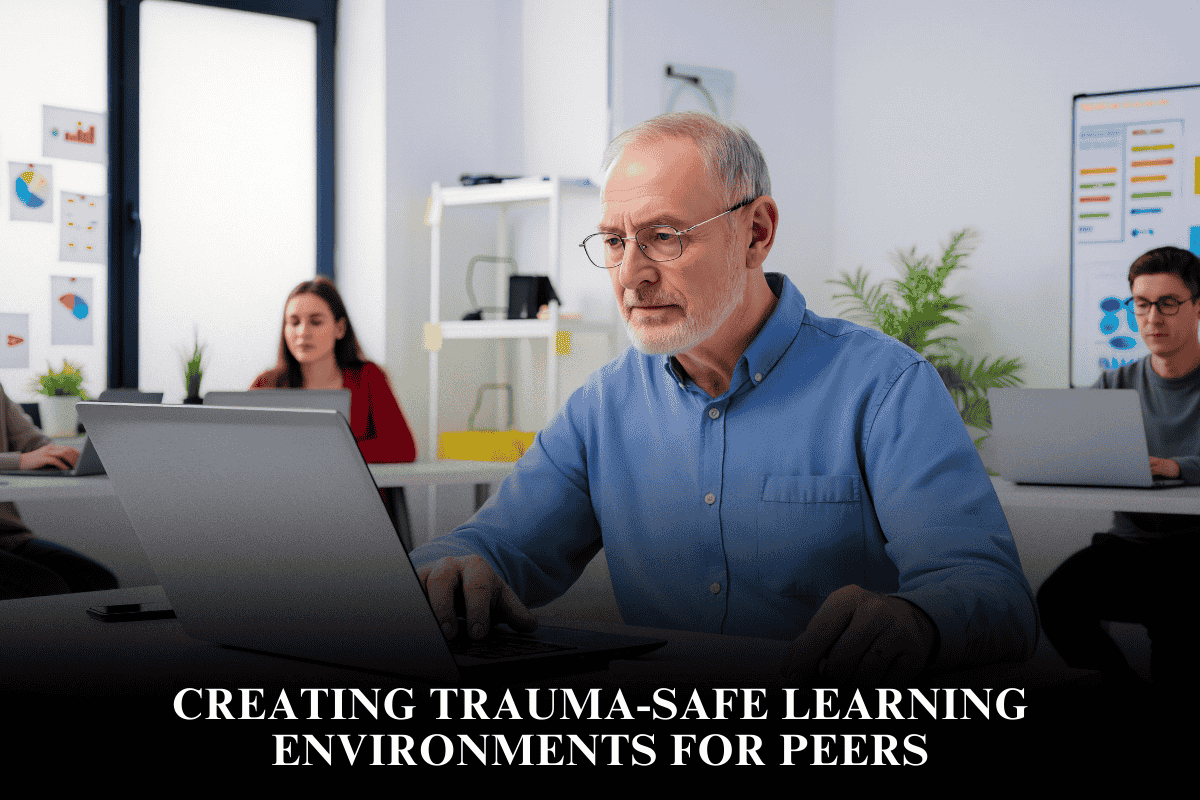
Peer support foundations often incorporate training in deep listening, emotional boundaries, self-care, and facilitation skills to strengthen the impact and sustainability of peer support relationships. Programs are co-created with mental health professionals and peers to ensure relevance and effectiveness.
FAQs
Q1: What makes lived experience valuable in peer support?
A1: It provides authentic empathy, shared understanding, and hope, allowing peers to connect and support recovery in ways traditional clinical models may not achieve.
Q2: How does peer support differ from professional therapy?
A2: Peer support is grounded in equality and mutuality, focusing on shared experiences rather than expert advice or diagnosis.
Q3: What roles exist within peer support systems?
A3: Peer specialists, mentors, recovery coaches, family partners, and other trained individuals use lived experience to guide and empower others in various settings.
Q4: Can peer supporters benefit personally from their roles?
A4: Yes, engaging in peer support often reinforces the supporter’s own recovery and resilience, adding meaning and purpose.
Q5: How is peer support typically structured?
A5: It can be informal group meetings, structured workshops, one-on-one mentoring, or integrated roles within healthcare and community services, often accompanied by formal training.