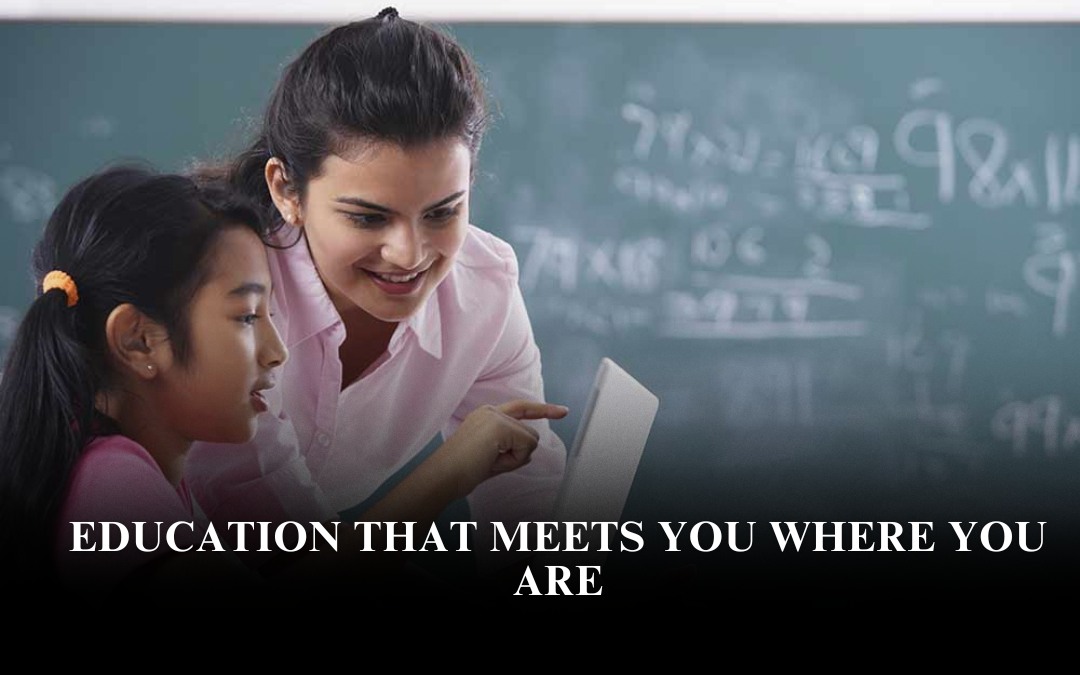
Education today in the United States is adapting to meet students where they are—whether that is physically, intellectually, or situationally—to make learning more accessible, personalized, and flexible.
Advances in technology, evolving workforce demands, and diverse student needs fuel this shift from traditional, one-size-fits-all education toward customized pathways that accommodate life circumstances and learning preferences.
Flexible Learning Models
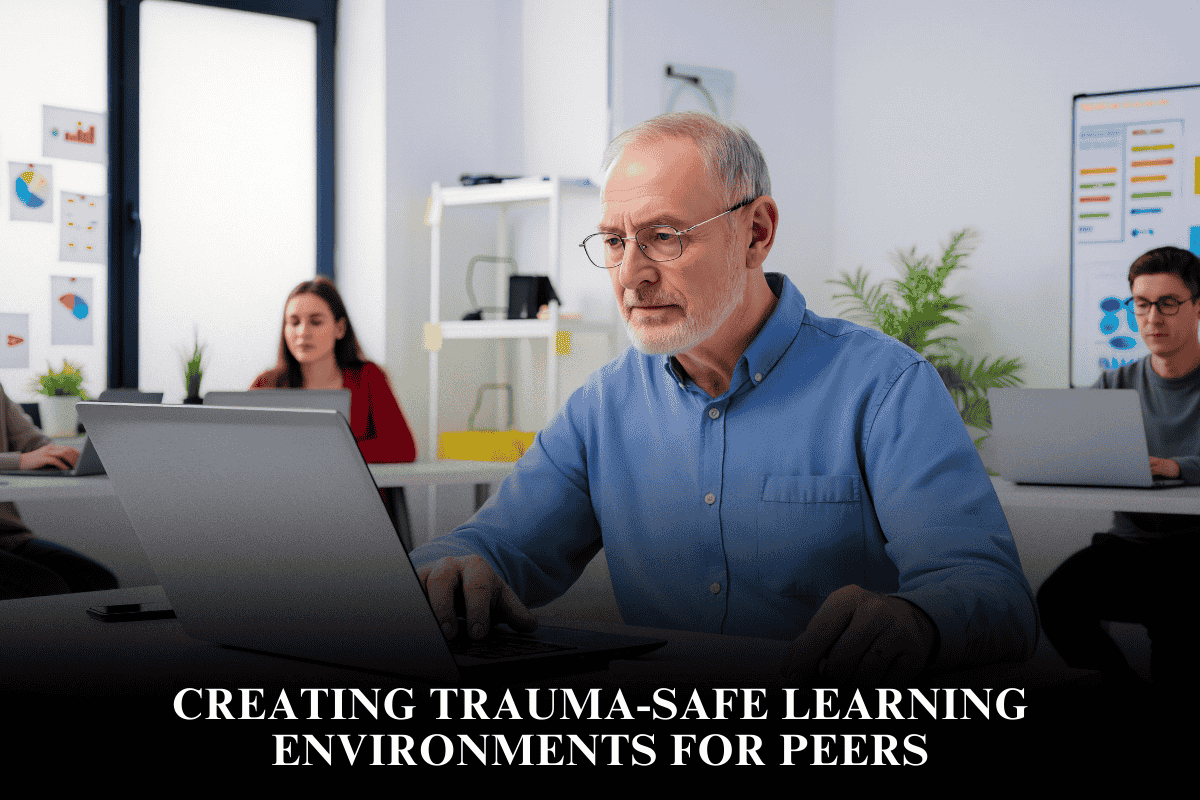
Flexible learning options are a cornerstone of modern education. Institutions like Lakeshore College and Walden University offer blended, online, evening, weekend, and competency-based education that allows students to choose when, where, and how they learn.
Competency-based education programs especially let learners progress at their own pace by demonstrating mastery rather than time spent in class. These models empower working adults, caregivers, and other non-traditional students to advance their education without sacrificing responsibilities.
Online and Hybrid Formats
Online learning continues to break down geographic and scheduling barriers, providing high-quality, accredited courses accessible nationwide.
Hybrid or “iFlex” models integrate both online and face-to-face instruction, giving students the freedom to switch between formats as needed, without compromising quality or engagement.
Universities such as the University of Florida and Harvard Summer School exemplify this trend by offering flexible, for-credit online courses that fit diverse student schedules and lifestyles.
Personalized Support and Engagement
Meeting students where they are also means providing tailored support services. Colleges increasingly employ success teams, tutors, and advisors who offer personalized coaching and academic assistance based on student needs.
This focus on student-centric support improves retention, confidence, and academic outcomes. Technology enhances this by enabling targeted interventions through data analytics, ensuring learners receive help precisely when required.
Lifelong and Continuing Education
The emphasis on flexible learning also aligns with the rising demand for lifelong learning. Many institutions design continuing education programs and short-term courses for adult learners seeking upskilling or career pivots.
These programs often feature modular designs, flexible enrollment periods, and practical content focused on real-world applicability, helping learners balance education with work and family.
FAQs
What does “education that meets you where you are” mean?
It means educational models and programs that adapt to the varied schedules, locations, skill levels, and life circumstances of learners, enabling access and success for all types of students.
How can flexible learning benefit working adults?
Flexible learning offers options such as evening classes, online courses, and competency-based progress, allowing working adults to continue education without conflicting with job and family obligations.
Are online and hybrid courses as effective as in-person classes?
When well-designed, online and hybrid courses can match or exceed the effectiveness of traditional in-person classes by offering interactive content, personalized support, and the ability to learn at one’s own pace.
What kind of support is available for students in flexible programs?
Students can access personalized coaching, tutoring, academic advising, and success teams who support them throughout their educational journey, often using technology for timely interventions.
How does this approach support lifelong learning?
By providing accessible, modular, and flexible programs, education becomes attainable at any life stage, supporting continuous skill development and career growth.