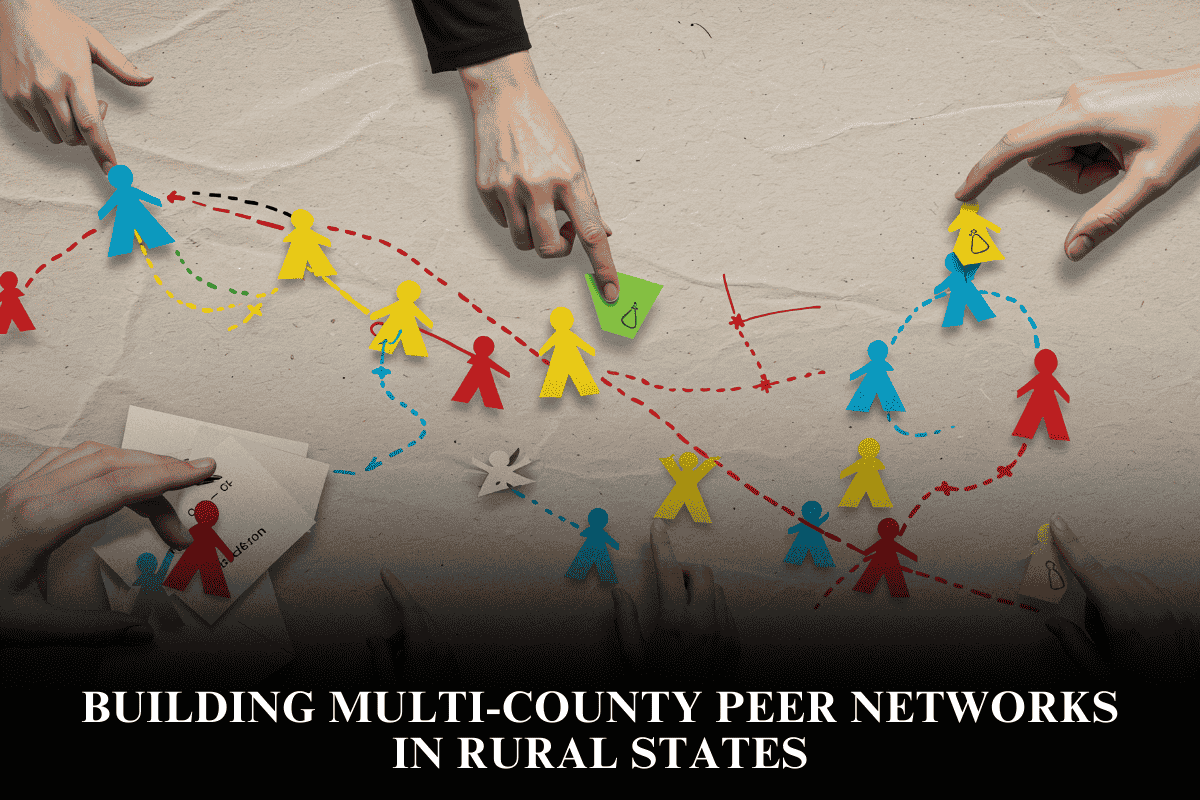
Cultural humility in peer work is a lifelong process of self-reflection and self-critique that recognizes the limits of one’s own cultural understanding while valuing the lived experiences of others. It involves approaching peer relationships without assumptions or superiority, acknowledging power imbalances, and being open to continuous learning and respectful dialogue.
Understanding Cultural Humility in Peer Work
- Cultural humility means recognizing that no one can fully understand all aspects of another’s culture; it is an ongoing journey of self-awareness about one’s own biases and limitations.
- In peer work, this translates to valuing peers as experts of their own lived experiences and fostering relationships based on mutual respect and trust rather than authority or expertise.
- It requires humility to listen actively, suspend judgment, and remain open to learning from peers’ cultural backgrounds and experiences.
Learning Through Lived Experience
- Peer workers learn by engaging authentically with others, prioritizing empathy, and embracing the diverse perspectives that peers bring.
- This process helps reduce power imbalances often present in traditional support relationships, creating safer and more inclusive environments.
- Cultural humility encourages accountability, vulnerability, and ongoing reflection, essential for effective peer support.
FAQ
Q: How is cultural humility different from cultural competence?
A: Cultural competence involves learning about other cultures, while cultural humility is a continuous practice of self-reflection, acknowledging one’s own biases and power dynamics, and learning from others without assuming expertise.
Q: Why is cultural humility important in peer work?
A: It fosters authentic connections by recognizing peers as experts in their own experiences, leading to stronger trust and support relationships.
Q: How can peer workers develop cultural humility?
A: Through ongoing self-reflection, seeking feedback, openness to learning, and intentionally addressing power imbalances in relationships.
Q: What role does lived experience play in cultural humility?
A: It is central; peer workers rely on the diverse lived experiences of peers to inform understanding and foster respectful, non-judgmental support.
Q: Can cultural humility reduce discrimination in peer support?
A: Yes, by encouraging openness and respect for diverse backgrounds, cultural humility helps create safer and more inclusive peer environments.