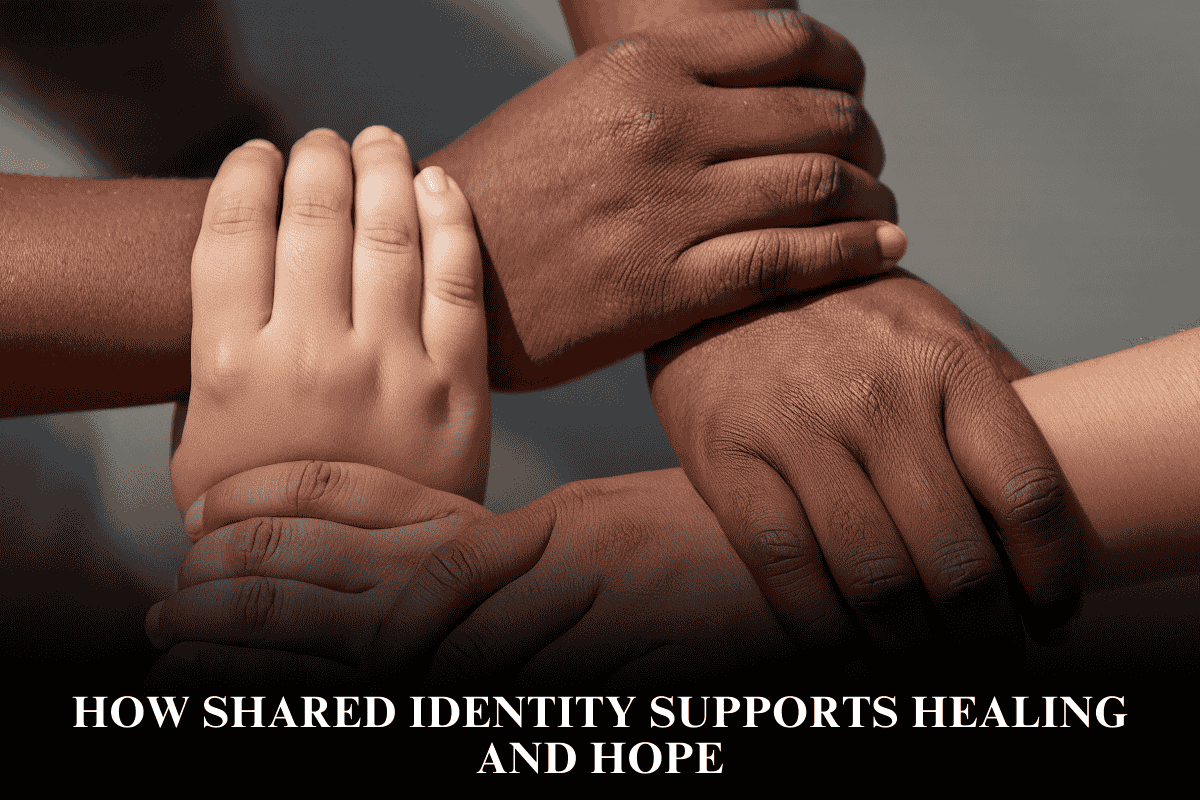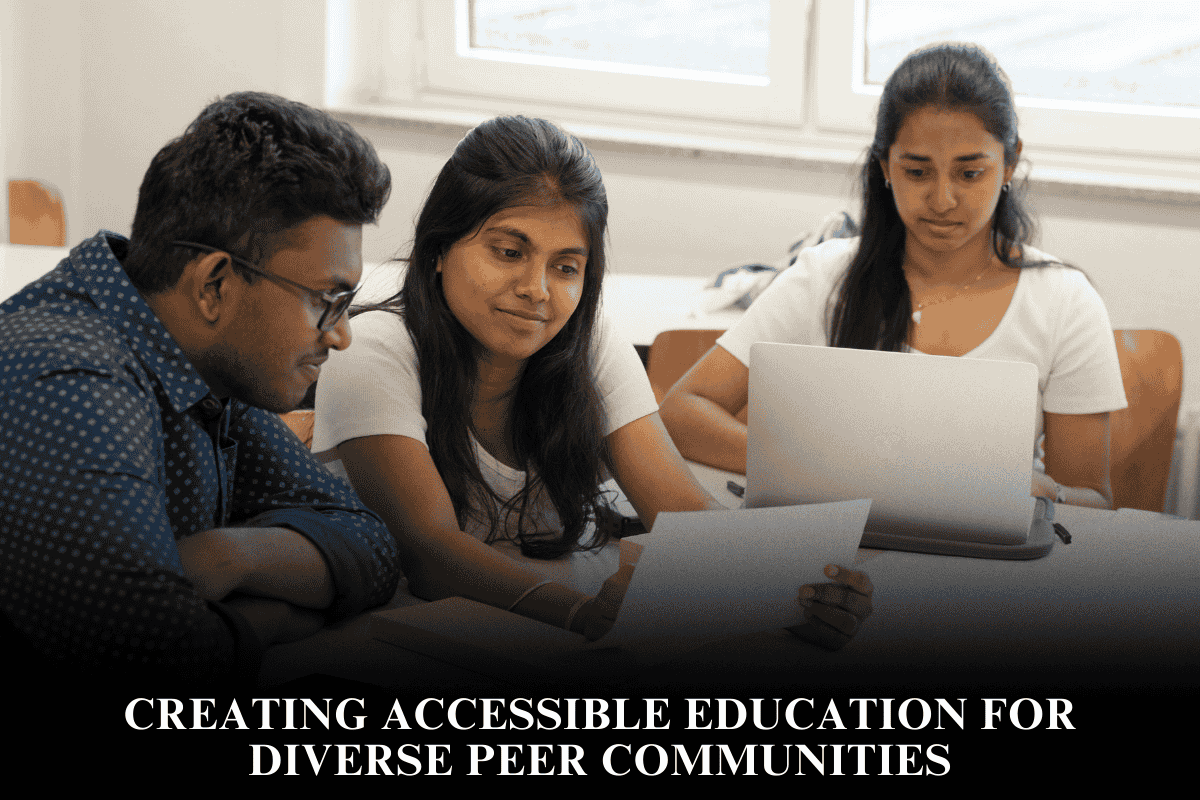
Accessible education equips diverse peer communities—spanning disabilities, multilingual backgrounds, and cultural differences—with equitable tools and environments to thrive collectively. Universal Design for Learning (UDL) forms the core framework, offering multiple engagement methods, representations, and expression options to anticipate varied needs proactively. Peer support amplifies this, fostering belonging through collaboration while reducing isolation.
Universal Design Principles
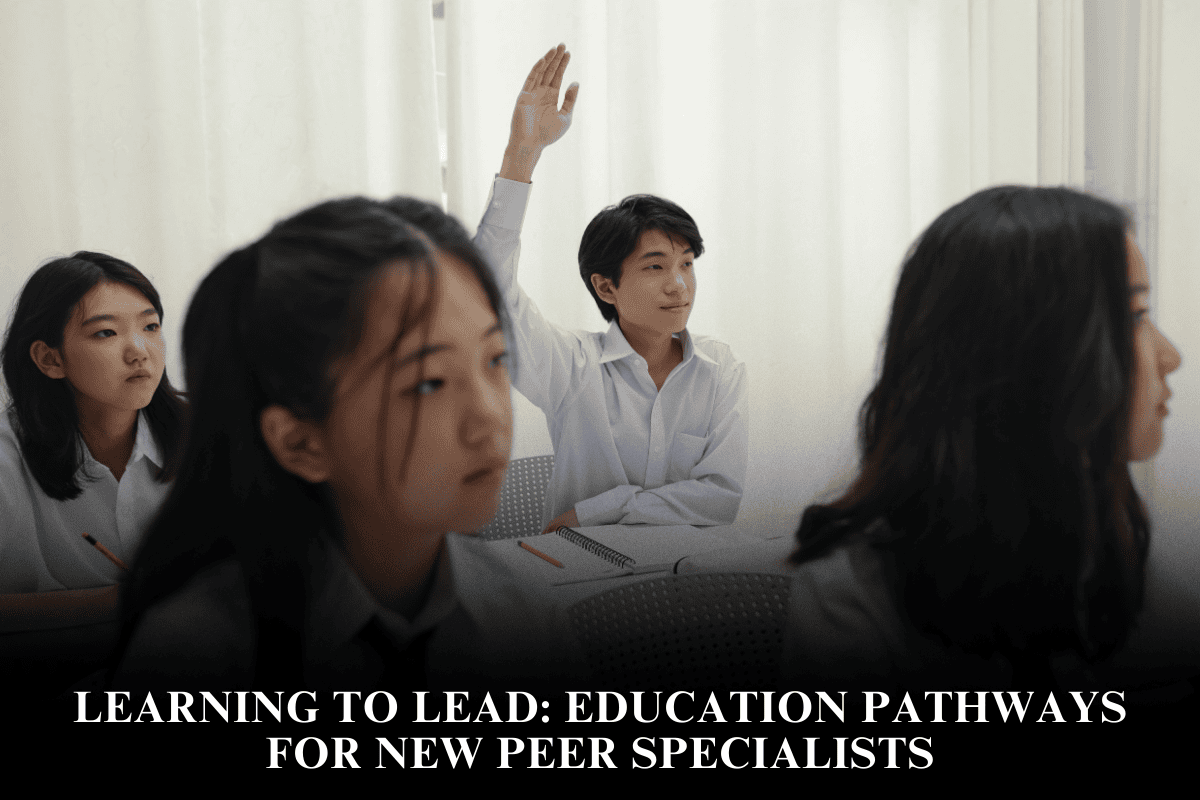
UDL provides multiple means of engagement to spark motivation via choice-based activities and peer discussions respecting diverse perspectives. Representation delivers content in varied formats—videos, transcripts, visuals—for multilingual learners and those with sensory needs. Action and expression allow demonstrations through projects, oral reports, or tech aids, aligning with individual strengths.
These principles shift from retrofits to upfront inclusivity, minimizing barriers for all.
Peer Support and Inclusive Strategies
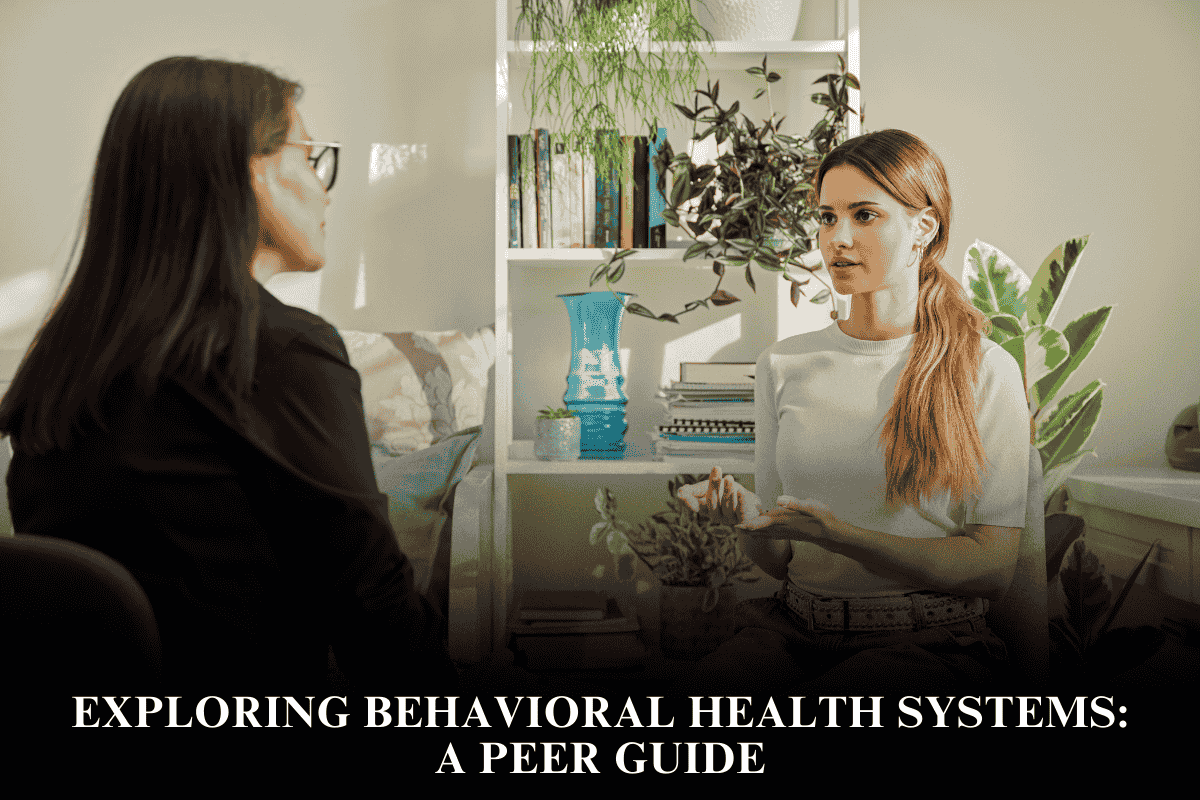
Peer mentoring pairs diverse learners for mutual growth, building empathy and shared understanding without isolating anyone. Flexible grouping and translanguaging encourage home-language use in IEPs, validating multilingual identities. Culturally responsive curricula reflect community stories, while assistive tech like speech-to-text ensures participation.
Professional development trains educators in these, collaborating with specialists for holistic support.
Building Community and Equity
Resource centers and inclusive extracurriculars create safe spaces celebrating diversity. Clear rubrics, feedback loops, and bias discussions promote equity. Monitoring via stakeholder input sustains progress.
This approach boosts retention, social skills, and outcomes for all peers.
FAQ
What is Universal Design for Learning (UDL)?
Framework offering multiple engagement, representation, and expression means for diverse needs.
How does peer mentoring aid accessibility?
Pairs learners for support, empathy, and collaboration without isolation.
Why use translanguaging in diverse classes?
Leverages home languages for equity, inclusion, and identity validation.
What role do educators play?
Professional training, specialist collaboration, and culturally responsive adaptations.
How measure inclusive success?
Stakeholder feedback, retention rates, and barrier reductions.