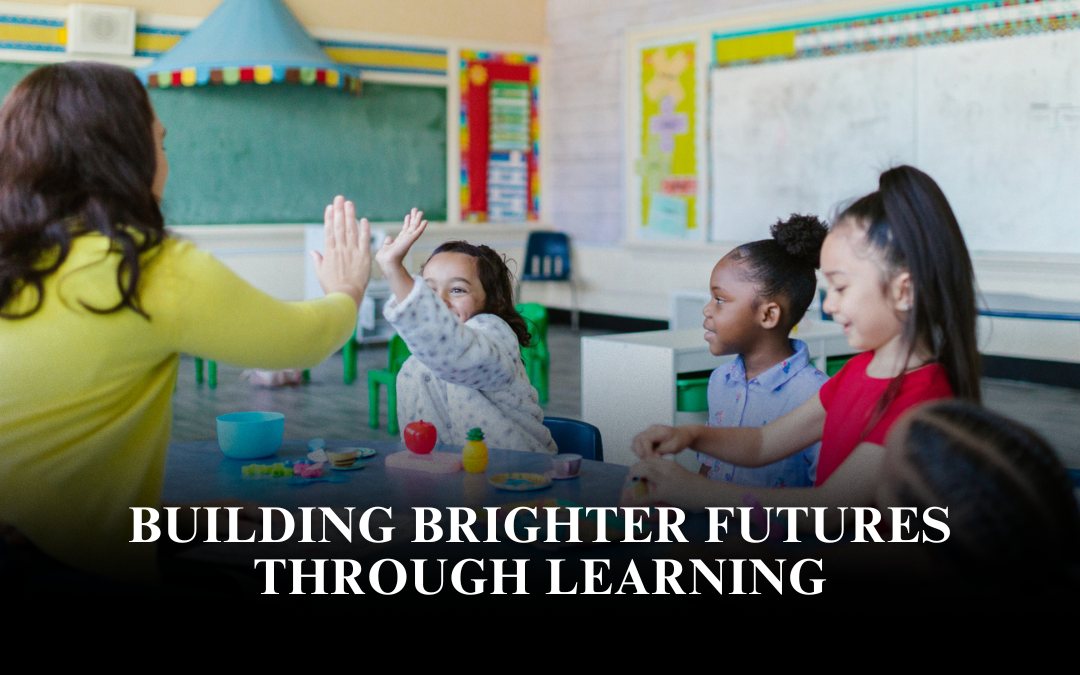
Education has always been a cornerstone of progress in the United States. From early childhood programs to university research, learning empowers individuals and strengthens communities.
It equips people with the skills necessary to overcome challenges, embrace innovation, and contribute meaningfully to society.
In an economy increasingly driven by technology and creativity, the power of learning extends beyond the classroom, shaping both personal success and national growth.
Lifelong Learning: The Modern Mindset
In today’s fast-changing world, learning cannot stop at graduation. Lifelong learning has become essential for professional adaptability and personal development.
Americans are returning to community colleges, online platforms, and workforce training programs to acquire new skills and stay relevant in evolving industries.
This culture of continuous growth not only fosters economic competitiveness but also cultivates curiosity, critical thinking, and resilience—qualities vital for success in the 21st century.
Education and Equal Opportunity
Education remains the great equalizer in the United States, offering a path out of poverty and a bridge to opportunity. Federal and state initiatives aim to close achievement gaps by improving access to quality schooling and digital resources.
Programs supporting underrepresented groups have made significant strides in empowering students to reach their potential. By expanding scholarships, early learning support, and community engagement, the nation builds a more inclusive future where every learner has a fair chance to thrive.
Technology’s Role in Modern Learning
The digital transformation of education has reshaped how Americans learn and teach. Online learning platforms, virtual classrooms, and artificial intelligence-based tools now enhance accessibility and personalization.
Students can collaborate globally and access knowledge instantly, fostering innovation and real-world skills. Teachers benefit from analytics that track progress and identify learning needs.
Technology not only increases flexibility but also prepares students for careers in a digital economy, where adaptability and technical fluency are essential.
Shaping the Future Workforce
Education is deeply connected to the country’s economic future. As industries evolve with automation, artificial intelligence, and renewable energy, the need for skilled workers grows.
U.S. educational institutions are aligning curricula with future job markets, blending academics with practical training. STEM (Science, Technology, Engineering, and Mathematics) education is expanding rapidly, encouraging creativity and problem-solving among young learners.
This forward-thinking approach ensures that students can innovate and lead in a globalized world.
Community and Collaboration in Learning
Learning is not only about textbooks and classrooms—it thrives through community collaboration. Partnerships between schools, families, and local organizations strengthen learning ecosystems.
Mentorship programs, volunteer initiatives, and youth engagement projects provide real-world experiences that reinforce classroom lessons.
Such collaborations cultivate social responsibility, empathy, and leadership among students, turning education into a shared journey rather than an individual pursuit.
FAQs
Why is education so important for the future?
Education empowers individuals with knowledge, skills, and confidence to succeed while driving innovation and economic growth across the nation.
How does technology enhance learning in the U.S.?
It enables personalized instruction, connects students globally, and provides new tools for teachers to track and improve learning outcomes.
What is the significance of lifelong learning?
Lifelong learning allows people to keep up with changing job demands and personal goals, fostering adaptability throughout their careers.
How is equity being promoted in education?
Government programs and local initiatives focus on providing equal access to quality education, resources, and digital connectivity for all students.
What are the main challenges facing education today?
Challenges include funding disparities, digital divides, and preparing students for future jobs that require both technical expertise and creativity.