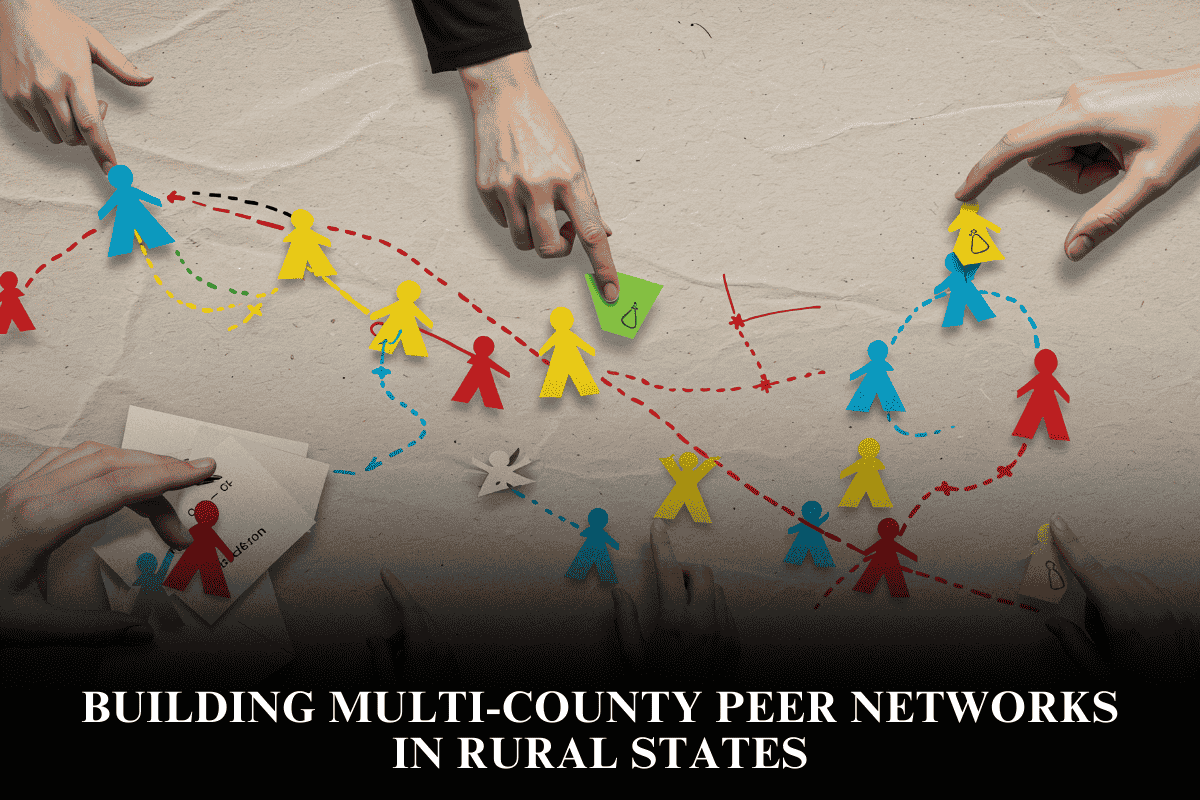
Peer practice in education involves students or professionals learning from and with each other to enhance skills, knowledge, and attitudes.
This approach is increasingly recognized across the United States for its ability to promote meaningful learning, improve behavioral outcomes, and foster social-emotional development.
Advancing peer practice with a clear purpose means structuring these interactions intentionally to achieve specific educational goals.
What is Peer Practice in Education?
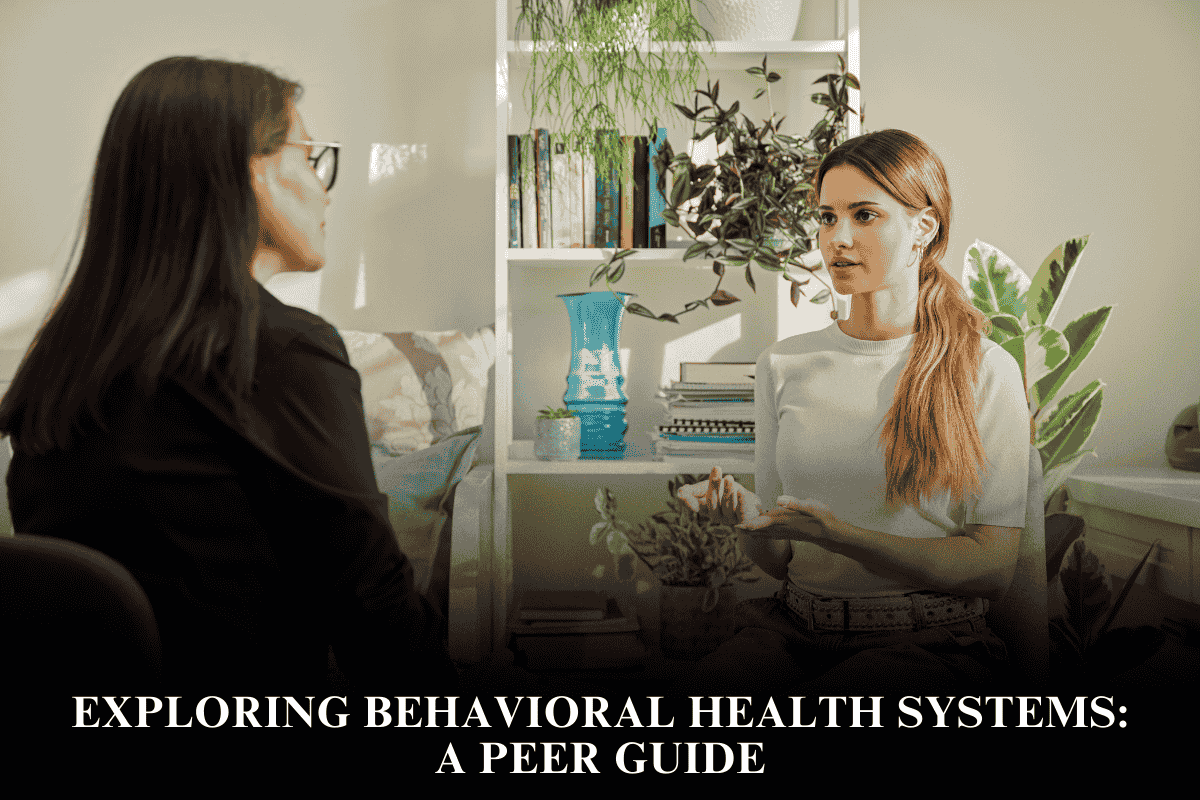
Peer practice involves learners teaching, mentoring, or providing feedback to their equals based on shared experiences and common understanding.
In schools and universities, peer learning can take many forms, including peer tutoring, coaching, collaborative projects, and peer feedback on teaching.
The purpose is to leverage the unique trust and relatability among peers to increase engagement and deepen understanding beyond traditional teacher-led instruction.
Well-designed peer practice programs emphasize active participation, critical reflection, and safe environments where learners feel supported to share ideas and experiment with new skills.
The role of a peer educator or coach is vital—they are equipped through training to provide effective guidance and encouragement, helping their peers not only gain knowledge but also develop confidence and motivation.
Benefits of Purposeful Peer Practice
Research shows peer practice is more effective than passive learning, especially for topics requiring behavioral change like social skills, emotional regulation, and health education.
Peer educators or learners share similar backgrounds, allowing them to communicate in an accessible manner that resonates with their peers. This approach supports:
- Enhanced retention of knowledge through active engagement
- Increased motivation and self-efficacy among learners
- Development of leadership and communication skills in peer educators
- The creation of supportive learning communities fostering collective growth
When peer practice is advanced with a purpose, it goes beyond knowledge transfer to empower participants as agents of their own learning and social change.
Implementing Purposeful Peer Practice
For peer practice programs to succeed, they require careful planning and ongoing support:
- Training: Peer educators receive comprehensive training to develop facilitation, listening, and motivational skills.
- Clear Objectives: Programs define specific learning outcomes and behavioral goals to guide activities.
- Safe Environment: Creating confidentiality and non-judgmental spaces encourages openness.
- Continuous Feedback: Both peer educators and learners engage in reflection and receive feedback to improve their practice.
- Support Structures: Adult facilitators or mentors provide guidance while allowing peer educators autonomy.
These elements ensure peer practice is purposeful, measurable, and sustainable in diverse educational settings.
FAQs
Q: How is peer practice different from traditional teaching?
A: Peer practice focuses on learners teaching and supporting each other, leveraging shared experiences, unlike traditional teaching which is typically teacher-directed and hierarchical.
Q: What skills do peer educators need?
A: Peer educators benefit from training in communication, active listening, empathy, and facilitation to effectively support their peers’ learning.
Q: Can peer practice address sensitive topics in education?
A: Yes, peer educators often create relatable and safe spaces for discussing sensitive issues like health, social-emotional challenges, and behavior, leading to better openness and impact.
Q: How does peer practice benefit the educators themselves?
A: Peer educators develop leadership, communication, and teaching skills, as well as increased confidence and a sense of purpose.
Q: What role do adults play in peer practice programs?
A: Adults typically serve as mentors or facilitators who provide training, support, and supervision to ensure the quality and effectiveness of the peer practice.